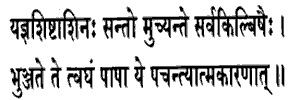
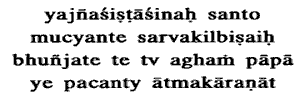
| 13. The righteous,
who eat the remnant of the sacrifice, are freed from all sins ; but sin
do the impious eat who cook for their own sakes.Those who, after performing
sacrifices to the Gods, etc eat the remains of the foodwhich is called amrita,
ambrosia are freed from all sins committed at the five places of animalslaughter
(such as the fire place), as well as from those sins which result from involuntary
acts of injury and other causes. But as to the others, who are selfish and
cook food for their own sakes, what they eat is sin itself, while they themselves
are sinners.The wheel of the world should be set going.For the following
reason also should action be performed by him who is qualified for action.
For, it is action that sets the wheel of the world going. How ? The answer
follows.From food creatures come forth ; the production of food is from
rain ; rain comes forth from sacrifice ; sacrifice is born of action ; know
thou that action comes from Brahman, and that Brahman comes from the Imperishable.
Therefore, the allpervading Brahman ever rests in sacrifice.All living creatures,
it is evident, are born from food, which, when eaten, is converted into
blood and semen. Ram proceeds from sacrifice as taught in the following
text from the smriti:The offering thrown into the fire reaches the sun from
the sun comes rain ; from rain food ; and from this (food) all creatures.
(Manu, i. 76).Yajna or sacrifice here spoken of refers to what is called
apurva ; and this apurva is the result of the activities of the sacrificer
and his priests (ritviks) engaged in a sacrifice. These activities are enjoined
in the Veda (Brahman), and the Veda comes from the Imperishable, the Paramatman,
the Highest Self. |